Guides · Itinerary
A slower day in Angra do Heroísmo
One unhurried day in Terceira's World Heritage city: a morning on Monte Brasil, the cathedral and palace at midday, and a garden for sunset.
3 min read
Updated 18 October 2026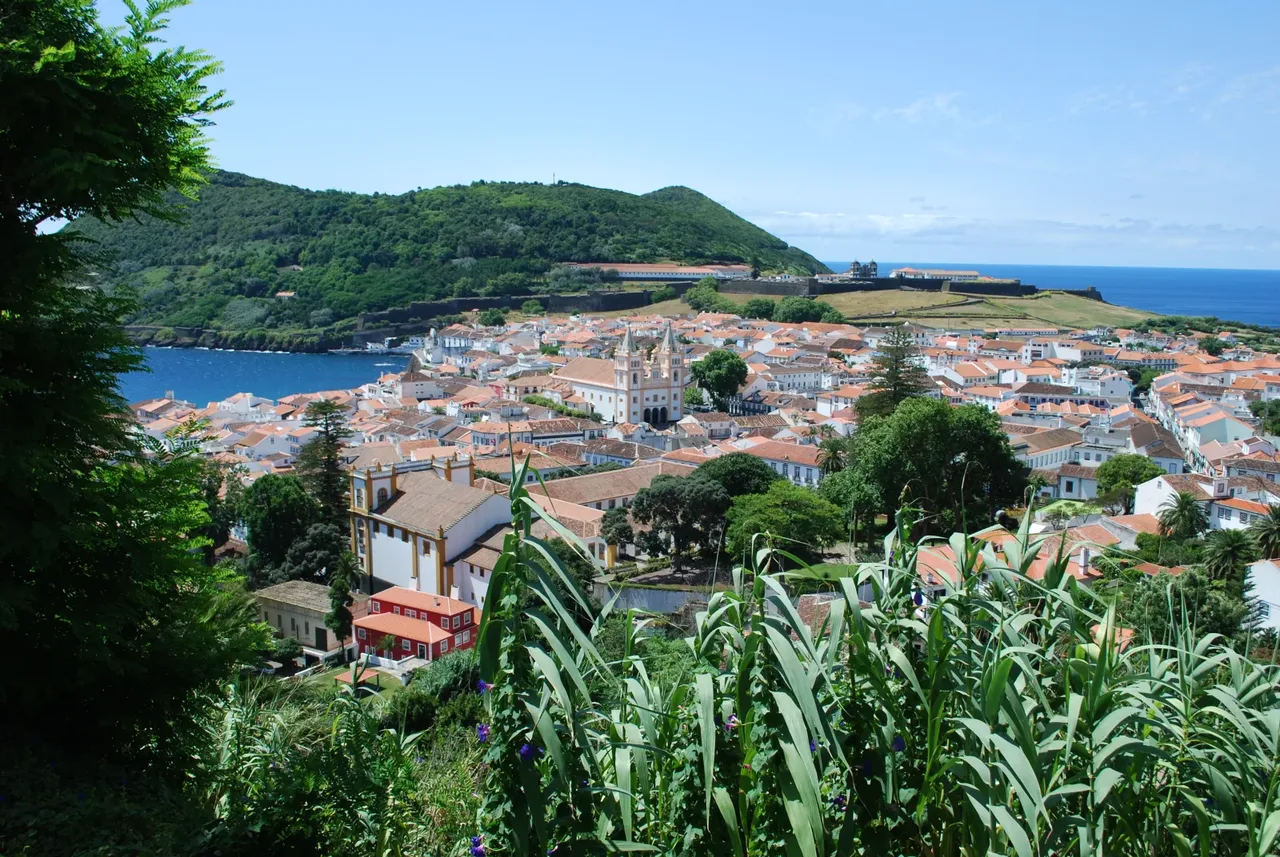
Angra do Heroísmo rewards people who slow down. The whole historic centre is a UNESCO World Heritage Site, and its streets, churches and fortresses are close enough to explore on foot. This plan fills one easy day, with time for coffee, a long lunch and at least one view you will want to sit and look at for a while.
Why Angra is on the World Heritage List
UNESCO inscribed the Central Zone of the Town of Angra do Heroísmo in 1983. From the 15th century until steamships arrived in the 19th, fleets returning from Africa and the Indies had to call here, and the town grew around that role. Look at the street plan as you walk: the grid was angled to cope with the prevailing winds. Angra became a city in 1534. A severe earthquake on 1 January 1980 badly damaged it, and the careful rebuilding that followed kept much of its monumental and everyday architecture.
Morning: Monte Brasil
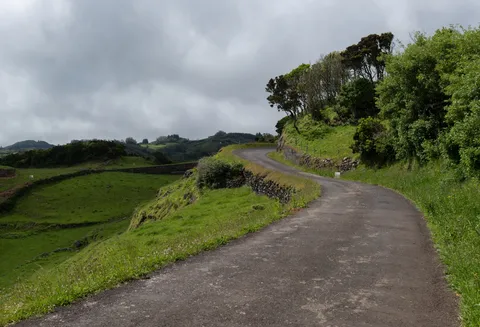
Start early on Monte Brasil, the old volcanic headland that shelters the bay. The circular PRC04TER Monte Brasil trail is about 7.5 km, takes around 2 h 30 and is rated medium. It begins near the Relvão park, climbs past the 1615 chapel of Santo António, circles a caldera covered in Azorean heather and passes a whale lookout and a World War II station.
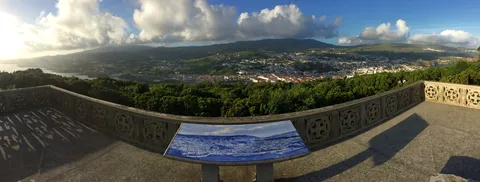
The walls of the Fortaleza de São João Baptista wrap around the headland. It was begun around 1592 under Spanish rule and is described as the oldest fortress continuously occupied by Portuguese troops, so it is still a military site; check the visiting arrangements before you go. If you would rather skip the full loop, drive or walk up to the Pico das Cruzinhas viewpoint for the classic view over the city and the south coast.
Do Monte Brasil first thing. The trail is far more pleasant before the midday sun, and you will look down on the town you are about to explore.
Midday: the cathedral and the palace
Walk back into the centre for the Sé, the cathedral of Santíssimo Salvador. It was built from 1570 on the site of the first parish church and, unusually, faces north. Inside, look for the 16th-century painted panels at the high altar and an Indo-Portuguese lectern in Brazilian rosewood inlaid with whale ivory.
A short walk away, the Palácio dos Capitães-Generais began as a Jesuit college, authorised in 1572. It was later turned into the residence of the captains-general and twice hosted Portuguese kings, in 1832 and 1901. It is still an official residence of the President of the Regional Government, and guided tours are available. Check opening days on the official page before you go.
Afternoon: the museum and the garden
After lunch, visit the Museu de Angra do Heroísmo, housed since 1969 in the former Franciscan convent of São Francisco. Its collections trace Azorean history and culture, and it is a good place to shelter if a shower comes in. The museum's own website has current hours and exhibitions.
End the day in the Jardim Duque da Terceira, a terraced garden founded in 1882 in the heart of town. Look out for the 1740 tile panels of the Prodigal Son and the old Tanque do Preto irrigation tank, then climb to the Memory Obelisk at the top. From there you can see the whole city with Monte Brasil behind it, a fitting end to a slow day.
- Topic
- Itinerary
- Islands
- Terceira
- Reading time
- 3 min