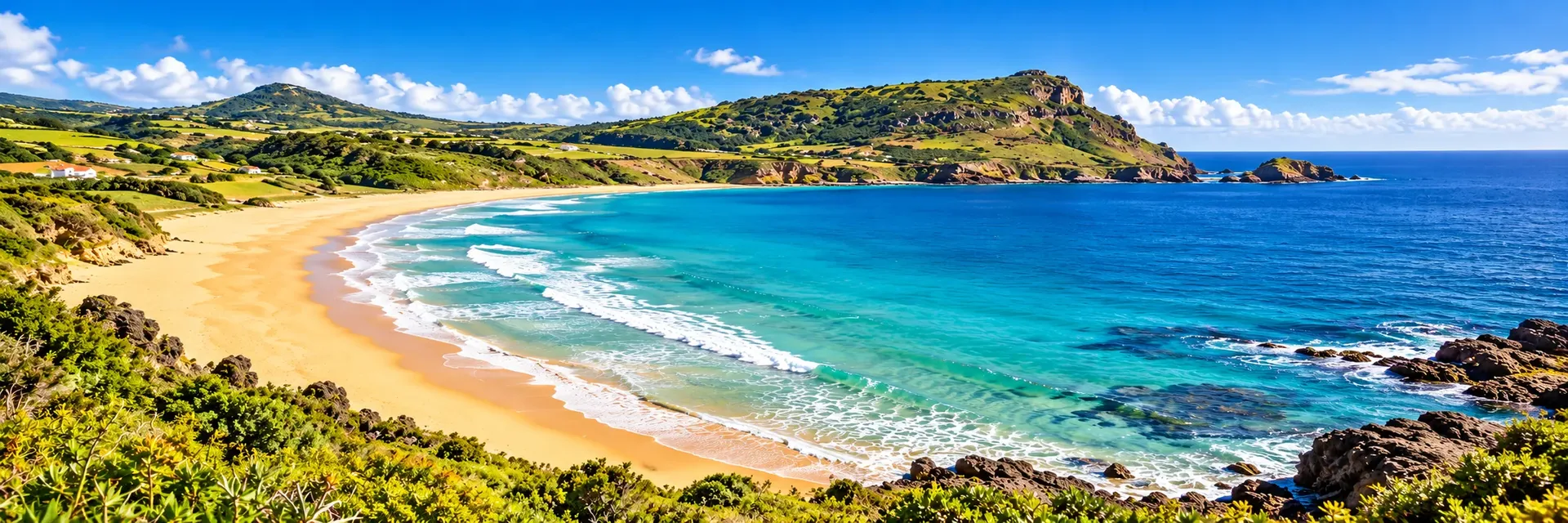
Eastern group · The Azores
Santa Maria
A sunnier kind of escape.
Golden beaches, red-earth landscapes and some of the sunniest skies in the Azores.
The sunshine island
An island of golden shores, red earth and Atlantic light.
Santa Maria feels different from the rest of the Azores. The archipelago's oldest island pairs rolling green countryside with warm-toned cliffs, whitewashed villages and beaches of unusually pale sand.
From the vineyards of São Lourenço to the red landscapes of Barreiro da Faneca, the waterfall at Maia and the historic streets of Vila do Porto, Santa Maria is made for slow days, scenic drives and discoveries around every bend. Vila do Porto is the main town and sits close to the island's airport (SMA); start with its old streets, then spend the afternoon on the golden sand of Praia Formosa. In the north-west, the red earth of Barreiro da Faneca and the village of Anjos meet a rugged Atlantic coast.
Highlights
Places you'll remember
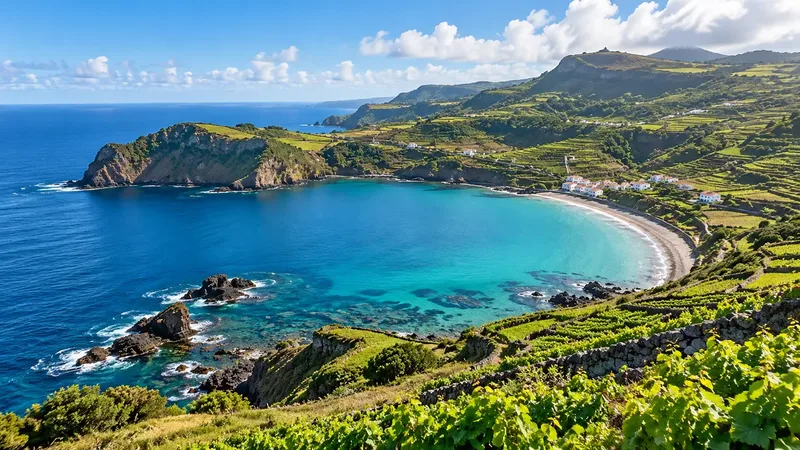
Baía de São LourençoTerraced vineyards wrapped around one of the island's most beautiful bays. 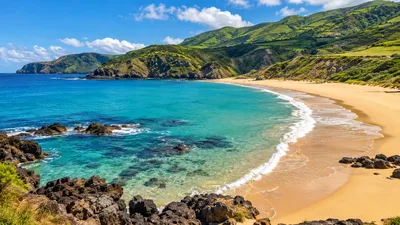
Praia FormosaGolden sand and clear Atlantic water beneath green volcanic slopes. 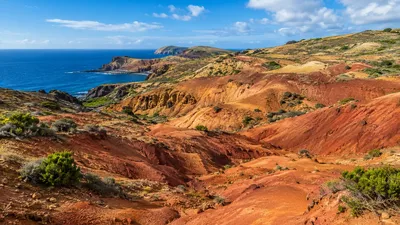
Barreiro da FanecaA surreal landscape of red earth unlike anywhere else in the Azores. 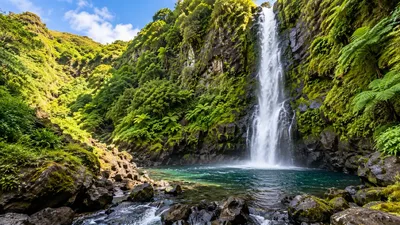
Cascata do AveiroA dramatic waterfall hidden among the lush cliffs above Maia. 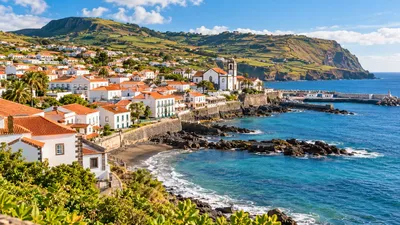
Vila do PortoHistoric streets, whitewashed houses and centuries of island life.
Suggested itinerary
Your first four days on Santa Maria
- Day 1
Vila do Porto & the south
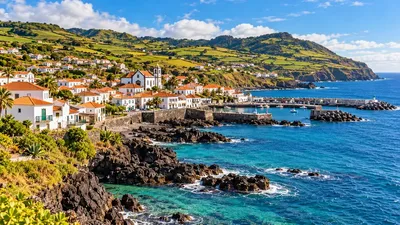
Explore Santa Maria's historic capital, wander its old streets and finish the day beside the golden sands of Praia Formosa.
- Day 2
Barreiro da Faneca & the west
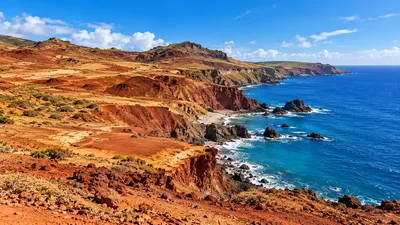
Cross the island's striking red-earth landscape, visit Anjos and follow the rugged western Atlantic coast.
- Day 3
São Lourenço & the east
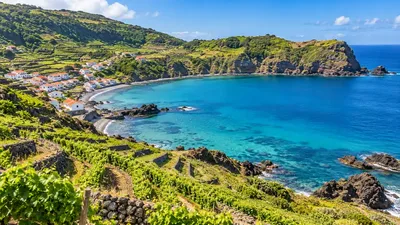
Discover terraced vineyards, sweeping viewpoints and the crystal-clear waters of one of Santa Maria's most beautiful bays.
- Day 4
Maia, Cascata do Aveiro & Pico Alto
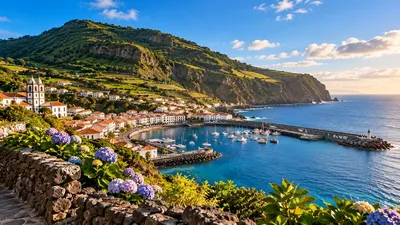
See Santa Maria's greener side, visit its most famous waterfall and climb toward panoramic views from the island's highest point.
Make it your own — leave room for the beach, the weather and a little spontaneity.
On the map
Places to explore on Santa Maria
Before you go
Plan your visit
Good to know
Good to know before you go
Keep exploring
Discover another island
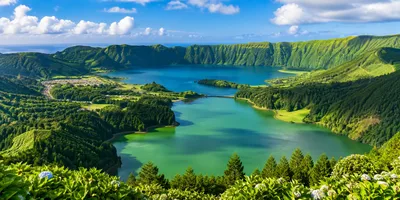
Eastern group
São Miguel
The Green Island. Lakes, hot springs, and the biggest choice of tours.
Explore island guide
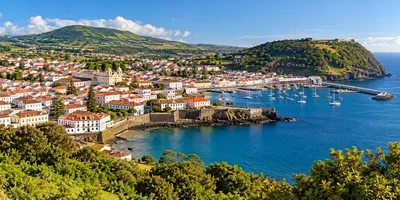
Central group
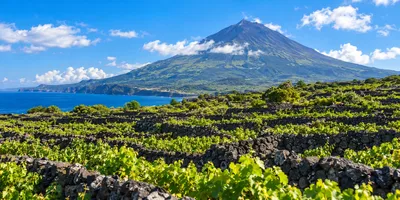
Pico
Mountain climbs, volcanic wine, lava tubes, and whale watching.
Explore island guide