Guides · Family
Santa Maria with kids: beaches, fossils and a red desert
Santa Maria suits families well: soft sandy beaches, sheltered natural pools, real fossils and a red clay landscape, all a short drive apart.
3 min read
Updated 18 October 2026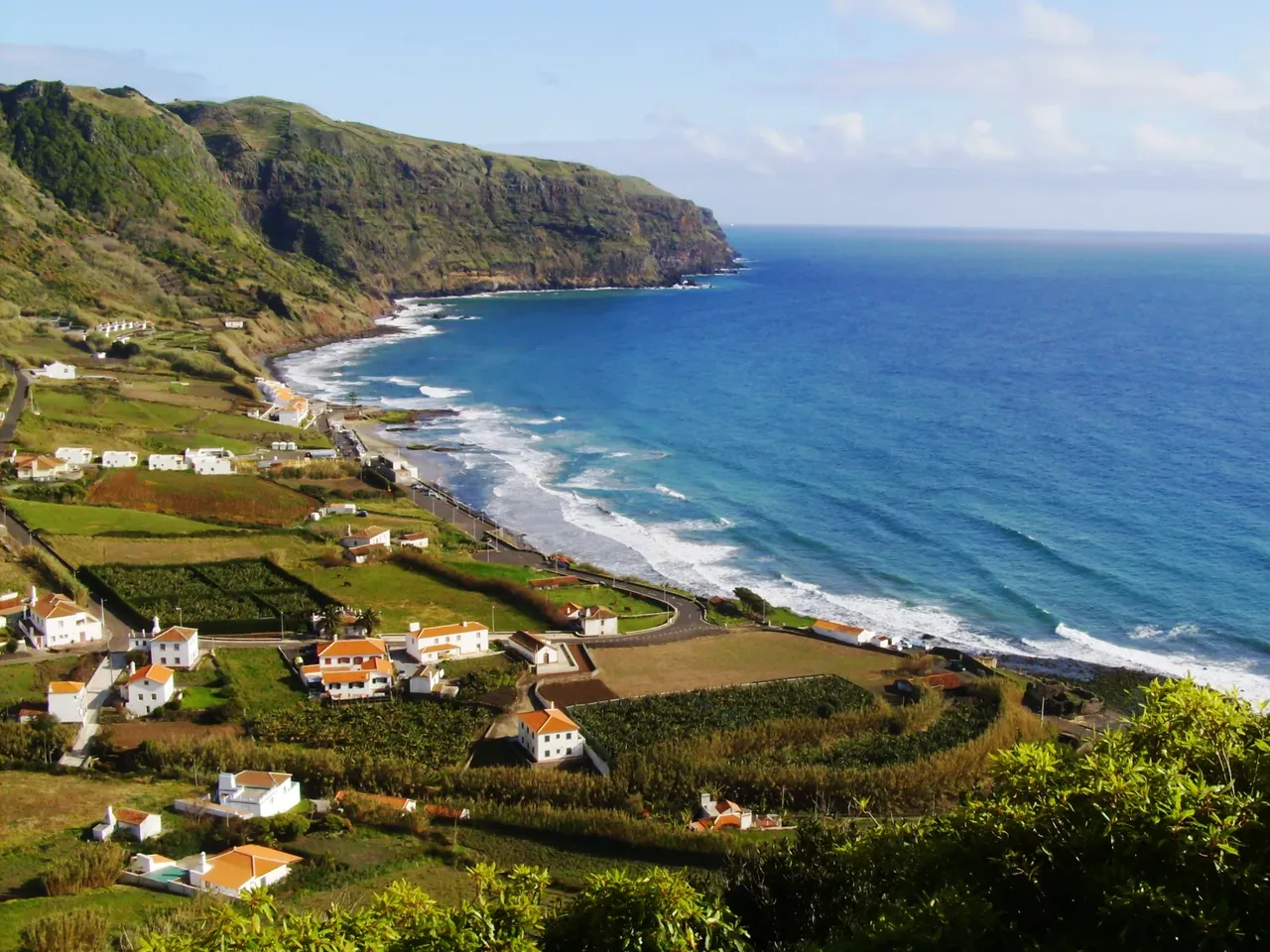
Santa Maria is an easy island to explore with children. Distances are short, the beaches are some of the few in the archipelago with pale sand, and there are fossils and a red "desert" to spark young imaginations. Here is how to plan a few family days.
Sandy beaches and natural pools
Praia Formosa on the south coast is the island's best-known beach. It has about a kilometre of light sand, which is rare in the Azores, with clear, shallow water, changing rooms, toilets, two bars and a large car park. It has a Blue Flag for water quality and lifeguards during the bathing season. The beach is also the venue of the Maré de Agosto festival, so expect crowds while it is on.
On the east coast, the São Lourenço bathing area has a wide sandy beach and a natural pool. The setting is a bay shaped like an amphitheatre, with vineyards on stone terraces climbing the hillside and the Ilhéu do Romeiro offshore. It also has lifeguards in season, changing rooms, a bar and step-free access.
In the north-west, the Anjos natural pool is a favourite with families. The pool sits among volcanic rocks, with a children's playground, shade, a bar and lifeguards in season. It is the island's only bathing area certified as an accessible beach, with a special chair to help people with disabilities into the water.
Anjos and the Columbus story
Next to the pool stands the Ermida de Nossa Senhora dos Anjos, considered the oldest chapel in the Azores. It was first built in the 15th century. Local tradition says Christopher Columbus anchored off Anjos on his way home from the Americas and attended mass here. Children usually enjoy the other story, too: a whip on display is said to have been left behind by pirates who raided the coast in the 17th century.
Fossils and the red desert
Parts of Santa Maria formed under the sea, and its rocks hold marine fossils of shells, sea urchins and even whale bones. Start at the Casa dos Fósseis – Centro de Interpretação Ambiental Dalberto Pombo in Vila do Porto, built around the collection of a pioneering local naturalist and designed to be hands-on and educational. Then see the real thing at Pedreira do Campo, an old quarry cut into lava that flowed underwater. It is protected as a natural monument and is a priority site of the Azores UNESCO Global Geopark.
In the north, Barreiro da Faneca, nicknamed the Red Desert of the Azores, is a bare, bright-red clay landscape formed from old lava covered in volcanic ash. It is a Protected Landscape Area of 835 ha that reaches the cliffs of the Raposo, Tagarete and Cré bays, and it is also an important area for birds.
Santa Maria's fossil sites are protected. Let children look, photograph and sketch, but leave every shell and stone where it is.
Keeping little ones safe
- Swim at the supervised bathing areas (Praia Formosa, São Lourenço, Anjos) during the bathing season, and follow the lifeguards' flags.
- The open sea off Anjos is a surf spot with a rocky bottom; keep children in the natural pool rather than the waves beside it.
- Hold hands near cliff edges at Barreiro da Faneca and the viewpoints above São Lourenço, and stay on paths.
- Pack hats, sun cream and water: the red desert and the coastal viewpoints are open and exposed.
- Topic
- Family
- Islands
- Santa Maria
- Reading time
- 3 min