Guides · Nature
Santa Maria island guide: the sunny, oldest island of the Azores
Red clay badlands, white-sand bays and vineyard terraces: how to spend a few unhurried days on Santa Maria, the Azores' oldest and sunniest island.
3 min read
Updated 18 October 2026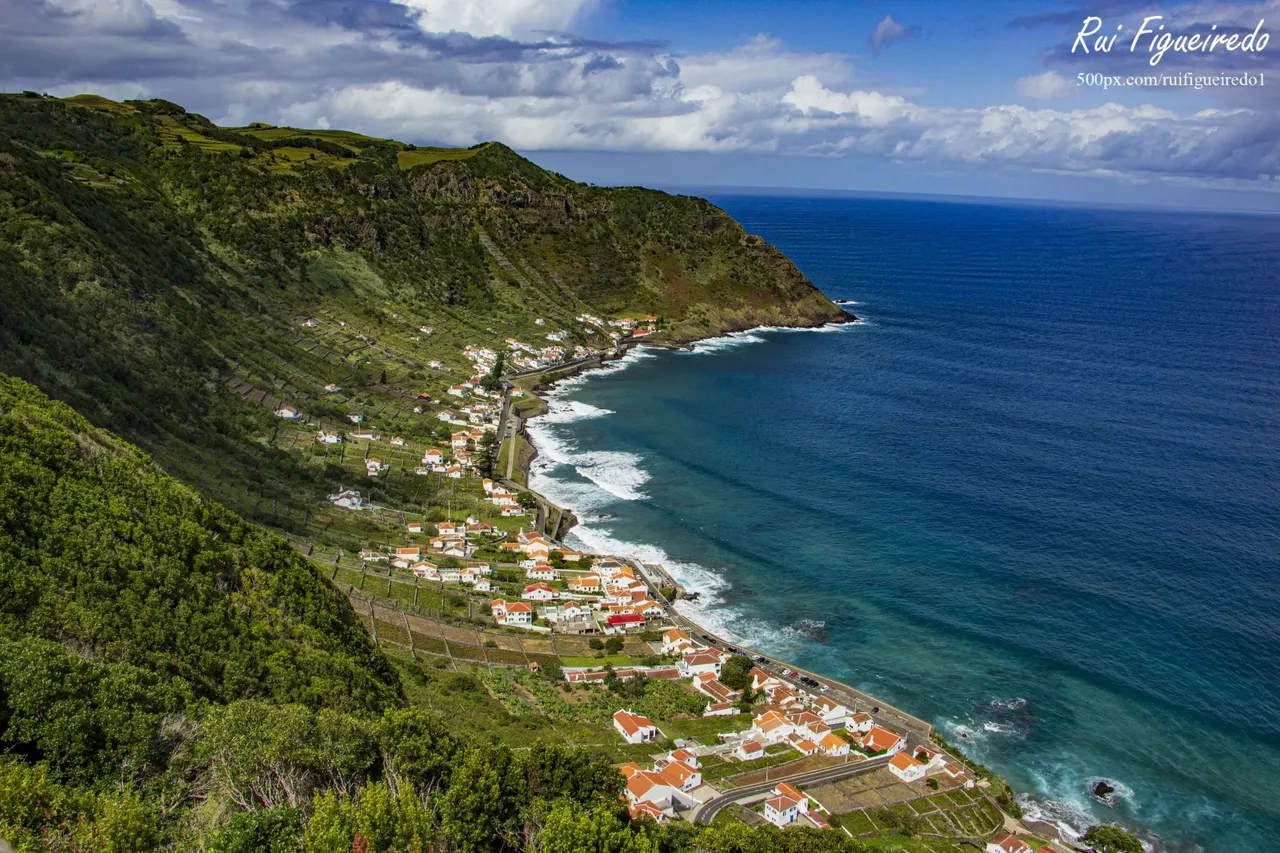
Santa Maria sits at the south-eastern corner of the archipelago and feels different from its neighbours. It is the oldest island geologically, the first to be settled, and it gets less rain than the rest of the Azores, so in summer its western half turns golden rather than green. It is also known as the island of the sun.
Getting there and getting your bearings
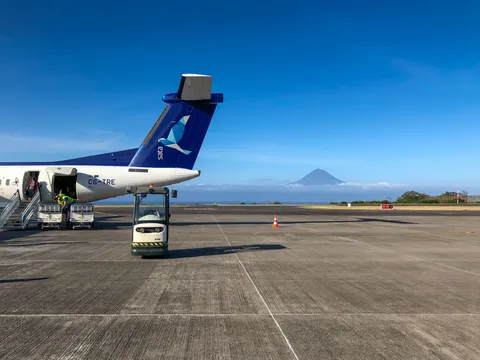
Santa Maria is in the Eastern Group with São Miguel, and the usual way in is a short flight from Ponta Delgada, which Ponta Delgada airport lists among its destinations. The island's airport was built during the Second World War and later became a key stop for transatlantic flights; it still houses the air traffic control centre for a vast slice of the Atlantic.
The island is small, under 17 km end to end, and splits neatly in two. The flat, drier west holds the airport and Vila do Porto, the only town. The hilly east is greener and rises to Pico Alto, the highest point at 587 m, which has a wide panoramic view on clear days. A car makes it easy to see both halves in a day or two.
Red earth and old rocks
Because it emerged around ten million years ago, Santa Maria shows geology you will not find elsewhere in the Azores, including fossil-bearing limestone. Highlights include:
- Barreiro da Faneca, the so-called red desert: rolling clay ground whose colour shifts with the light.
- Poço da Pedreira, a pond in a former quarry cut into the red slopes of Pico Vermelho.
- Ribeira do Maloás, a waterfall over a wall of columnar basalt.
- Cascata do Aveiro, a waterfall about 110 m high.
- Pedreira do Campo, where marine fossils sit in limestone next to lava that cooled under the sea.
In Vila do Porto, the Dalberto Pombo Environmental Interpretation Centre displays fossils found on the island, from shark teeth to shells, and is a good rainy-hour stop.
Bays, beaches and tidal pools
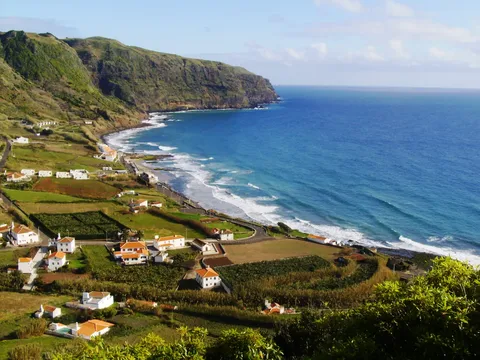
São Lourenço is the classic view: a horseshoe bay below steep slopes terraced with vineyards behind stone walls, best seen from the Espigão viewpoint above it. Praia Formosa has unusually pale sand, guarded by the ruins of an old fort. For sea swimming without sand, the natural lava pools at Maia and Anjos have ladders and facilities. Always check sea conditions and use only the areas set up for bathing.
Santa Maria is warmer and drier than most of the archipelago, so pack sun protection and water even for short walks on the red clay of Barreiro da Faneca.
Villages and history
Vila do Porto was the first town in the Azores to receive a charter, and some houses still show early arched doorways. In Anjos, a statue of Christopher Columbus stands near the chapel where Columbus is said to have heard Mass in 1493, on his way home from his first voyage to the Americas. Look out for the island's chimneys and the coloured trims on traditional houses, which vary from parish to parish.
When to go
August is the liveliest month, with the festival of the island's patron saint in Vila do Porto and the Maré de Agosto world-music festival. Holy Ghost festivities run from spring into summer. Outside the peak, the island is quiet and good for walking. Whatever the season, check current flight times with the airline before you plan the rest of your stay.
- Topic
- Nature
- Islands
- Santa Maria
- Reading time
- 3 min