Central group · The Azores
Pico
Above the clouds.
Portugal's highest peak, volcanic vineyards and Atlantic adventures.
The mountain island
Where the Atlantic meets the sky.
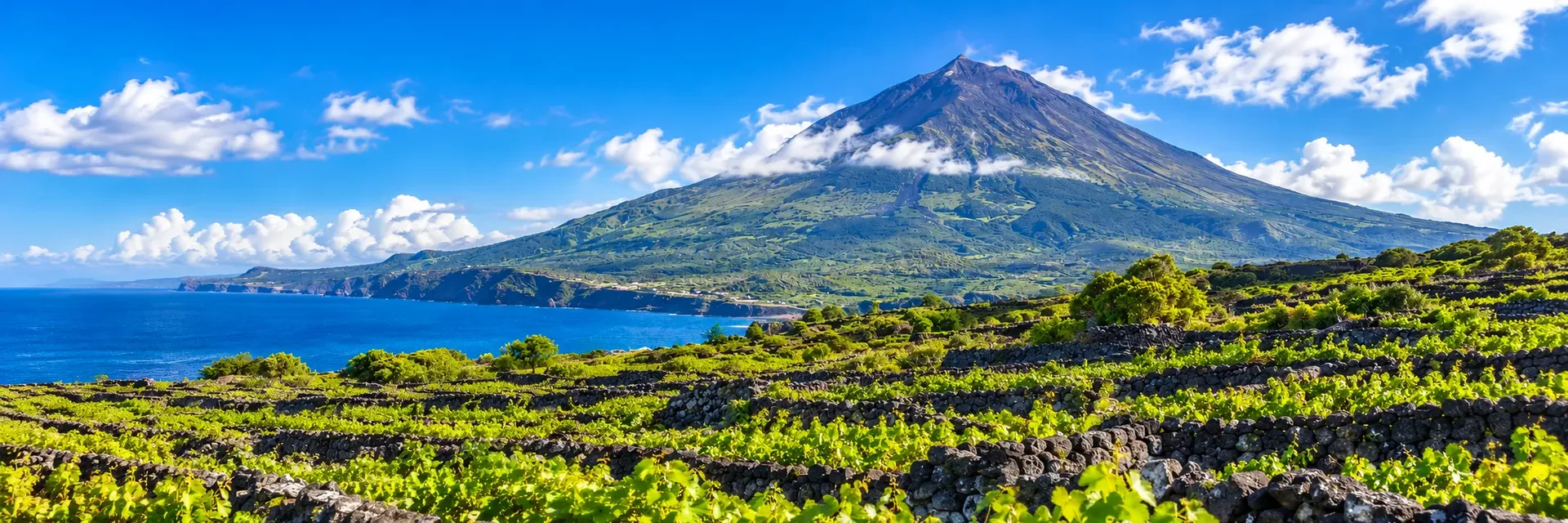
Pico is an island shaped by fire, sea and one great mountain: a place of black-lava vineyards, dramatic coastlines and centuries of life beside the Atlantic. Climb Portugal's highest peak, walk between UNESCO-listed vineyards, explore ancient lava tubes and discover a proud whaling heritage in seaside towns.
From mountain trails to encounters with whales and dolphins, Pico rewards those who slow down and explore. Madalena is the main town, with restaurants and the ferry to Faial, and the island's airport (PIX) is a short drive away; start there and walk through the black-lava vineyards of the western coast. Mount Pico itself can be climbed, or explored on its lower trails and volcanic landscapes at your own pace.
Highlights
Places you'll remember
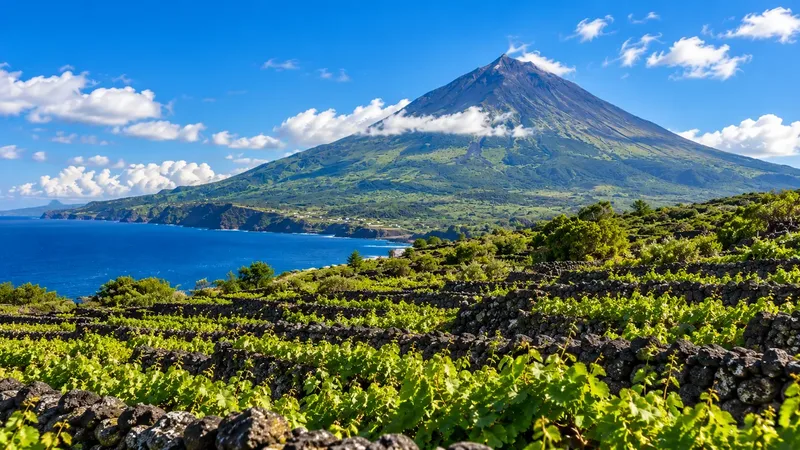
Montanha do PicoStand beneath Portugal's highest peak. 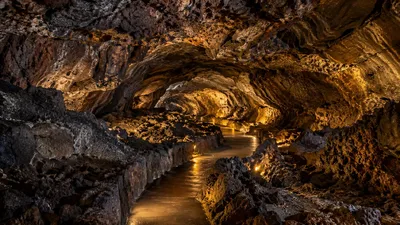
Gruta das TorresExplore a world carved by ancient lava. 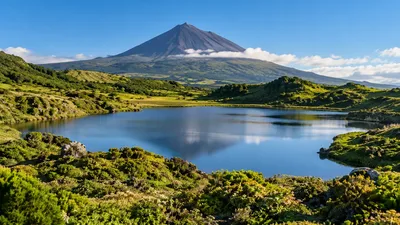
Lagoa do CapitãoA peaceful lake beneath the mountain. 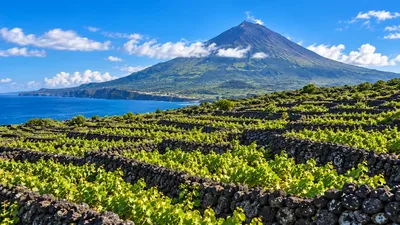
Vinhas da Criação VelhaUNESCO vineyards growing from black lava. 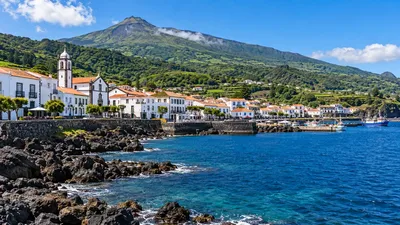
Lajes do PicoWhaling heritage on the Atlantic coast.
Handpicked for you
Experience Pico
Pico offers four very different experiences in a compact island — and each is best enjoyed with a local guide who knows the terrain. The Mount Pico summit climb is the centrepiece: a demanding round trip of most of a day that often begins before dawn, gains more than 1,100 metres through altitude-zone vegetation, and ends above the clouds with views stretching across the Central Group on clear days.
Suggested itinerary
Your first four days on Pico
- Day 1
Madalena & the vineyards
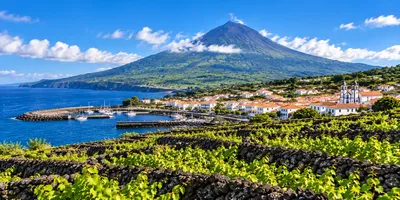
Explore Madalena, walk through black-lava vineyards and watch the Atlantic from Pico's western coast.
- Day 2
Montanha do Pico
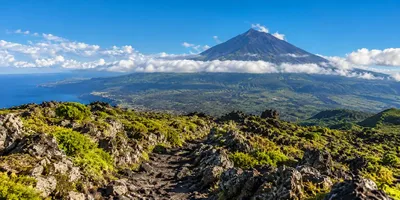
Take on Portugal's highest mountain or explore its lower trails and volcanic landscapes at your own pace.
- Day 3
Lakes & the highlands
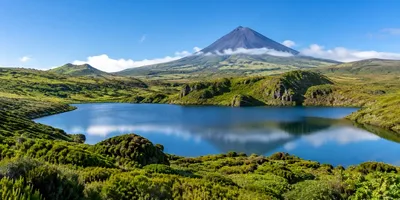
Cross Pico's wild interior, stopping at Lagoa do Capitão and peaceful viewpoints across the central plateau.
- Day 4
Lajes do Pico & the south coast
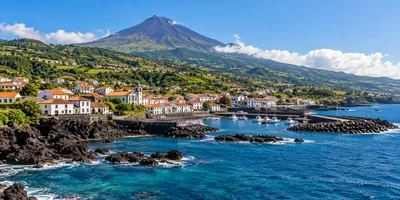
Discover Pico's whaling heritage, coastal villages and dramatic lava shoreline along the island's south coast.
Make it your own — leave room for mountain weather and a little spontaneity.
On the map
Places to explore on Pico
Before you go
Plan your visit
Good to know
Good to know before you go
Keep exploring
Discover another island
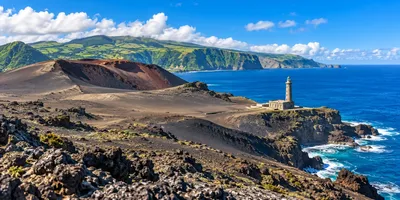
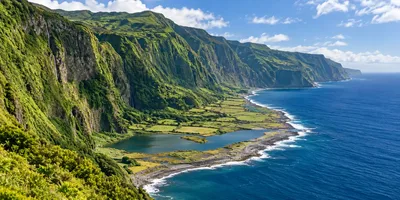
Central group
São Jorge
Fajãs, cliff trails, cheese, and one of the wildest coastlines in Portugal.
Explore island guide
Eastern group
São Miguel
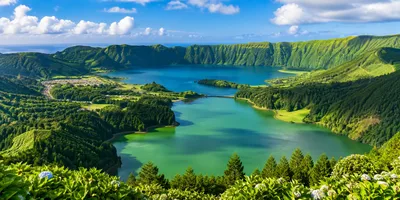
The Green Island. Lakes, hot springs, and the biggest choice of tours.
Explore island guide