Guides · Food
A taste of the islands: what to eat and drink in the Azores
Stew cooked by a volcano, PDO cheese and pineapple, wine from a UNESCO landscape and São Miguel's tea. A first-timer's guide to real Azorean food.
4 min read
Updated 18 October 2026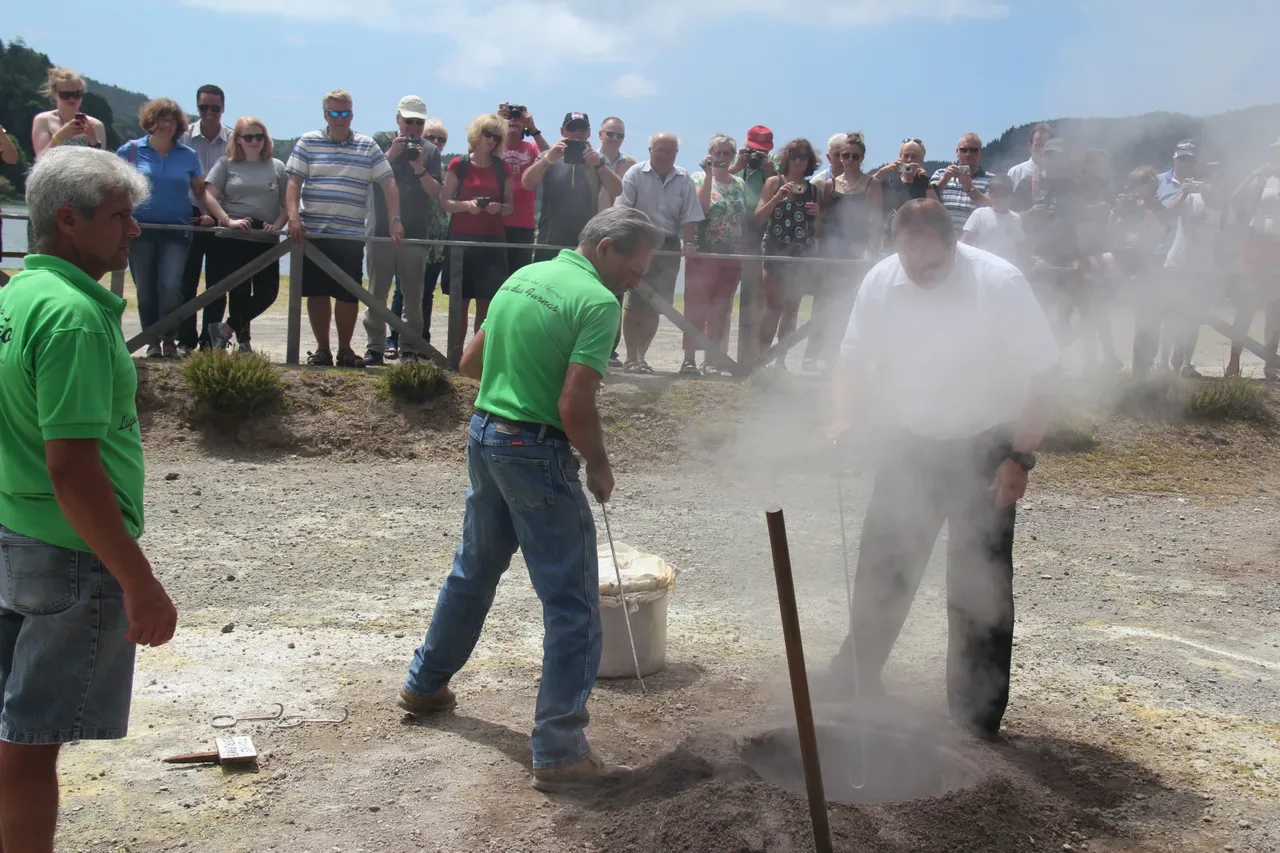
Azorean cooking is simple, generous and tied closely to the land and sea around it. Volcanic soil, green pastures, a mild climate and centuries of Atlantic trade have given each island its own specialities. Here is where to start, and what to look for on the menu.
Cozido das Furnas: dinner cooked by a volcano
In the Furnas valley on São Miguel, the island's most famous dish is cooked in the ground. Pork, beef, chicken, chouriço and blood sausage are layered in a tall pot with cabbage, kale, potatoes, sweet potatoes, yam and carrots. The pot is lowered into the hot, steaming earth beside the lake and left for about six hours, cooking only in its own juices. With good timing you may see the pots being lifted from the ground, before sitting down to a plate of cozido in the village. Finish with a bolo lêvedo, the slightly sweet flat bread that is a Furnas speciality.
Cheese with a protected name
Queijo São Jorge is the archipelago's best-known cheese. According to Taste Azores, it has been made since the island was settled, using techniques brought by Flemish settlers, and it is known for its sharp, spicy flavour. It has been a registered EU Protected Designation of Origin since 1996, and Queijo do Pico holds the same status. Start a meal the local way, with fresh cheese and pimenta da terra, a mash of red peppers.
Pico wine and a UNESCO landscape
On Pico, vines grow in thousands of small plots called currais, enclosed by black basalt walls that shelter them from wind and salt spray. Winemaking here began in the 15th century, and in 2004 the Landscape of the Pico Island Vineyard Culture was inscribed as a UNESCO World Heritage Site. Production continues today, especially around Criação Velha. Pico is a registered PDO wine, as are Graciosa and Biscoitos on Terceira. While you are on Pico, try the caldo de peixe, a fish broth the island is known for.
Pineapple, passion fruit and tea from São Miguel
Azorean pineapple came to São Miguel from Brazil in the mid-19th century. It is grown in glass greenhouses whitewashed with lime and takes around 18 months to ripen. It is sold as Ananás dos Açores / São Miguel, a PDO, as is the island's passion fruit. Passion fruit liqueur is one of the best-known Azorean liqueurs, along with pineapple and blackberry.
Tea also arrived on São Miguel in the 19th century, and two factories still make it. Gorreana has made black and green tea since 1883 and welcomes visitors to its plantation and factory. Nearby, Chá Porto Formoso makes black tea and offers guided visits with a tasting.
Island specialities to look out for
- Alcatra (Terceira): beef slow-cooked in an earthenware pot with red wine, bacon, onion and spices such as allspice and cinnamon. It is traditionally served with massa sovada, a sweet bread.
- Donas Amélias (Terceira): spiced honey tartlets named after Queen Amélia's visit to the islands in 1901.
- Queijadas da Graciosa: a traditional sweet from Vila da Praia on Graciosa.
- Queijadas da Vila: egg and milk tartlets from Vila Franca do Campo on São Miguel, a recipe dating back to the 16th century.
- Lapas (limpets): grilled with garlic butter or cooked with rice. Cracas (barnacles), boiled in seawater, are an adventurous local favourite.
- Amêijoas (clams) from the lagoon at Fajã do Santo Cristo on São Jorge, the only place in the Azores where they are found, and espécies, the island's spiced pastries.
Cozido takes hours in the ground, so it is never cooked to order. Ask your restaurant in Furnas whether you need to book it in advance.
- Topic
- Food
- Islands
- All nine islands
- Reading time
- 4 min