Weather
When to visit the Azores, season by season and island by island
Mild all year, drier in summer, festivals from spring to September and whales in every season. How to pick your months, and what each island does best.
4 min read
Updated 18 October 2026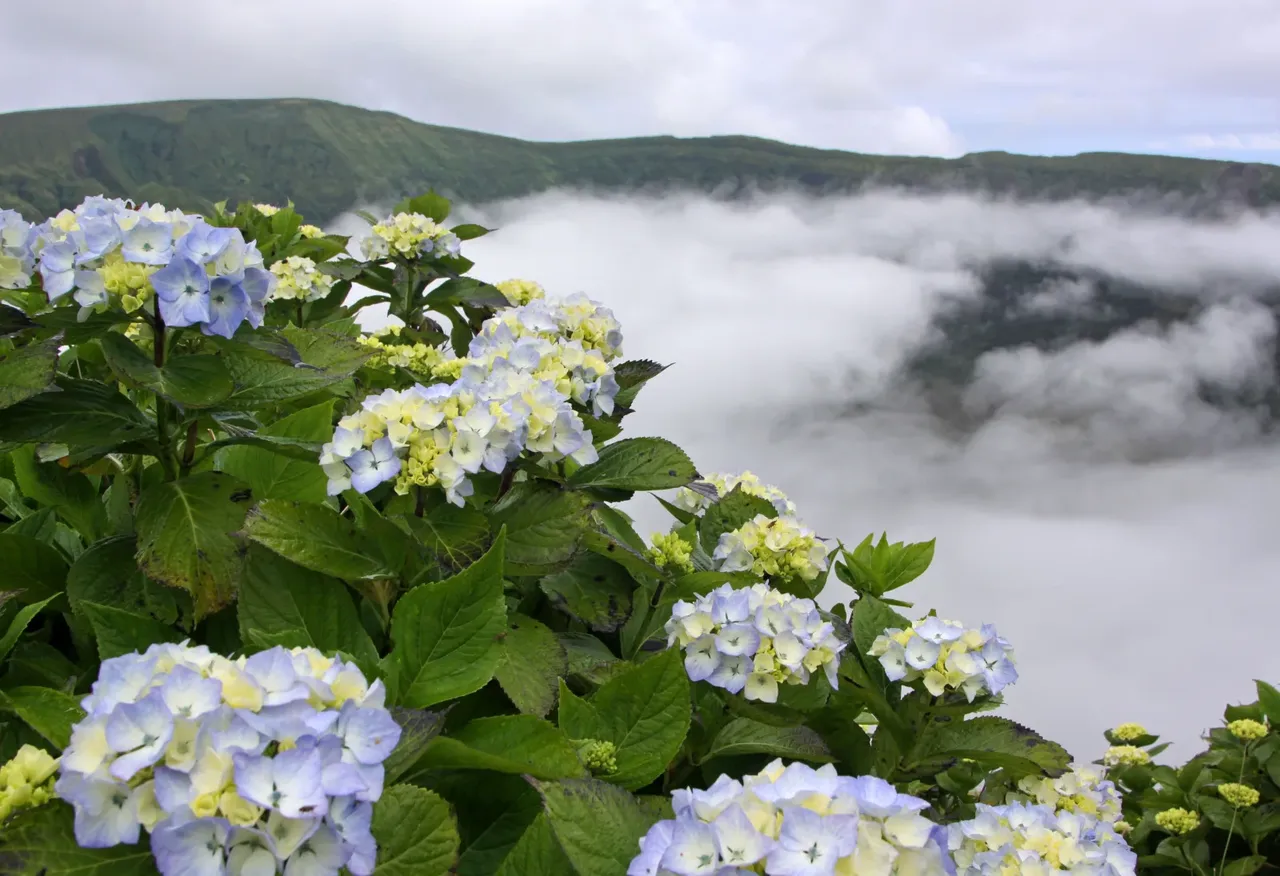
Photo: Guillaume Baviere from Helsingborg, Sweden · CC BY 2.0
There is no bad month to visit the Azores, just different trips. Temperatures stay mild all year, so the real choice is between long, drier summer days full of village festivals and quieter, greener, wetter months when you will often have a viewpoint to yourself. Here is what changes through the year, based on official climate data and the regional tourism board.
The year in numbers
IPMA's 1991–2020 normals for Ponta Delgada show a monthly average of about 15 °C in January and February, rising to 23 °C in August. July is the driest month and December the wettest. The western islands get more rain than the rest: Flores is the wettest of the official stations. Whatever the month, pack a waterproof.
Summer (June to September): festivals and long days
Summer brings the warmest, driest weather and the fullest calendar. The Holy Ghost festivals, held around small chapels called impérios, run on every island from May to September. Each island also has its own highlights:
- June: the Sanjoaninas fill Angra do Heroísmo on Terceira for ten days; Faial and Flores celebrate São João on 24 June; the Cavalhadas de São Pedro ride out in Ribeira Grande, São Miguel, on 29 June.
- July: the Semana Cultural das Velas and the Festival de Julho in Calheta on São Jorge; the Festa do Emigrante on Flores; the Madalena festival on Pico.
- August: Horta's Semana do Mar on Faial; the Maré de Agosto music festival on Santa Maria; Senhor Bom Jesus Milagroso at São Mateus on Pico; Senhor Santo Cristo in Santa Cruz da Graciosa; 15 August festivities and the Festival dos Moinhos on Corvo; the Praia festival on Terceira.
- September: the Festas da Vindima grape-harvest festival in Madalena on Pico; the wine festival in Biscoitos on Terceira; the Semana dos Baleeiros in Lajes do Pico at the end of the summer.
Summer is also the time for sperm whales, sei whales and spotted dolphins, which Visit Azores describes as most frequent in these months. With so much going on, it pays to book cars, rooms and popular tours early.
Spring (March to May): blue whales and Santo Cristo
Late winter into spring is the moment for the big baleen whales: Visit Azores notes that blue whales are easily spotted at the end of winter. On São Miguel, Lent is when groups of Romeiros (pilgrims) walk around the island on foot. Around the fifth Sunday after Easter, Ponta Delgada holds the Senhor Santo Cristo dos Milagres, the island's best-known religious festival, which lasts three days. On Terceira, the Holy Ghost celebrations fill the eight weeks between Easter Sunday and Trinity Sunday.
Autumn and winter (October to February): green and quiet
Rain picks up from October and peaks in December, but days are still mild by European standards, and whale watching runs all year round. Terceira's Angra Jazz festival takes place in October, and the bullfighting season there, including the street touradas à corda, runs from May to October. Carnival, just before Lent, is celebrated across all nine islands, with the satirical bailinhos on Terceira and water battles and balls in Ponta Delgada. In the wetter months, keep a flexible plan and check the IPMA warnings before any boat trip.
Each island at a glance
- São Miguel: good all year. Come in Lent or spring for the Romeiros and Santo Cristo, or at Carnival time for the festivities in Ponta Delgada.
- Terceira: the festival island. The Holy Ghost season in spring, the Sanjoaninas in June, and bullfights from May to October.
- Pico: the heart of the old whaling era, with whaling museums in São Roque and Lajes do Pico for days when the sea is too rough. Visit in late summer for the grape harvest and the Semana dos Baleeiros.
- Faial: known as the Blue Island for the hydrangeas along its roads. Go in August for the Semana do Mar.
- São Jorge: July for the Velas cultural week and Calheta's festival.
- Santa Maria: the place to be in August, with its rally, patron saint festival and Maré de Agosto.
- Graciosa: August for the Senhor Santo Cristo festivities in Santa Cruz.
- Flores and Corvo: Flores is the wettest of the official weather stations, so the drier summer months make plans easier. Flores has São João and the Festa do Emigrante; Corvo celebrates on 15 August.
Festival dates move with Easter and with each parish, so check the island's municipal or tourism page for the exact days before you book around them.